Our Blog

Tuesday
May212013

Forecasting the Pittsburgh Mayoral Primary

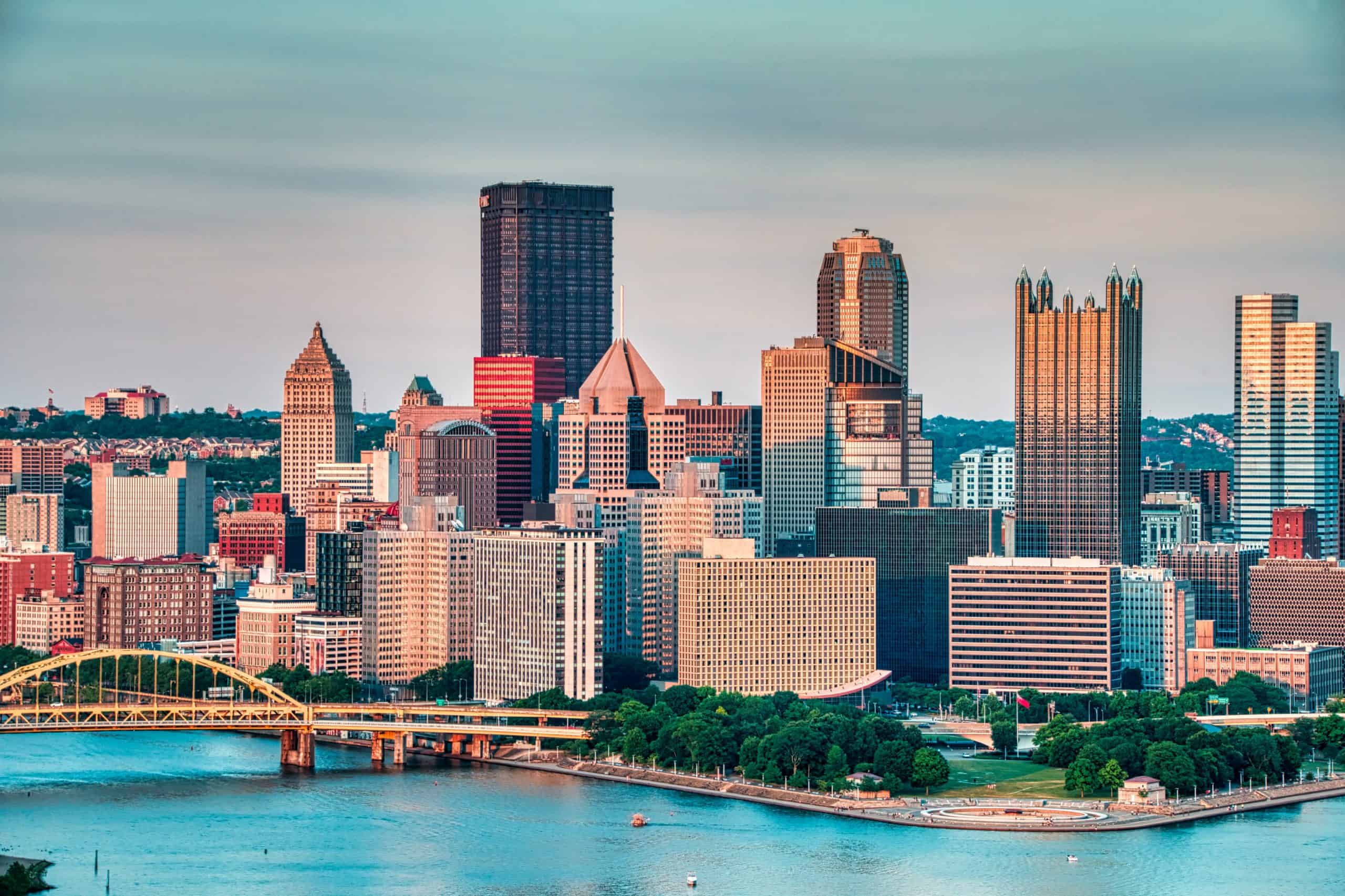
We don’t envy political pollsters in a race like the Pittsburgh Mayoral Primary. When an election is likely to be decided by the votes of fewer than 45,000 city residents, even getting 400 people to answer a phone interview is no minor (or inexpensive) feat. Consider, moreover, that other public polls identified as much as 16% of the electorate as “undecided” a week before the election. In a race like this, one campaign driving a couple extra bus-loads of voters to the polls could swing numbers wildly in one direction or another.  It reminds us that focusing our core business on consumer research is much better for our quality of life.

But, just for fun and with no commercial interest in the outcome whatsoever, we’re happy to give it a shot.

HOW WE GOT HERE

We started tracking the mayoral primary going all the way back to November 30th of 2011, when we first tested a list of candidates including Luke Ravenstahl, Bill Peduto, Mike Lamb, and Jack Wagner.  That first wave of data showed Ravenstahl as a clear front-runner, with only a few points separating the other three, depending on the assumptions we made about turn-out (more on this later). 

Over the next 16 months, we polled over 8,500 city Democrats to see the trend lines on a monthly basis. We also studied head-to-head scenarios between Ravenstahl and each of the challengers. Then, when Ravenstahl dropped out of the race, we even tested a battery of new or hypothetical names like Jim Ferlo, Darlene Harris, Chelsea Wagner, and David Caliguiri (the latter of which polled quite well, in fact) against the likes of Peduto, Wagner, and Lamb.

Now, after all of that, an essentially two-candidate race has emerged between Bill Peduto and Jack Wagner. With all due respect to Jake Wheatley and A.J. Richardson, their numbers have never gained enough momentum to put a dent in the support for the other two. 

THE CURRENT FIELD 

We’ve been tracking the current slate of candidates since April 1st, having polled a total of 7,493 city Democrats during that period. The movement in those numbers over the past six weeks has been astonishing. In mid-April, the race appeared to be a lock for Wagner, who held a lead as high as double-digits (again depending on the turn-out model). By early May, seeming to correlate with attack ads launched against Peduto by a group allegedly steered by Luke Ravenstahl the numbers began trending sharply in Peduto’s direction. And, in the past week, our numbers have shown a race much closer than reported by the other recent public polls.

And now we have the fun task of trying to predict how the race will end when the polls close at 8pm tonight. To formulate this prediction, we have to not only factor in the responses to our polls but also gauge far more muddled factors like the expected turn-out composition and the final decisions made by a large and lagging group of late Undecideds (who themselves may or may not vote).

Click to read more ...

Friday
May102013

Mother’s Day

It’s that time of year again, time to let Mom relax and unwind. Mother’s Day is on Sunday and we are ready to share some facts on who will be buying a special gift and what Mom will most likely receive. Since the beginning of May we collected over 8,000 responses on how likely people are to buy a Mother’s Day Gift and what they are most likely to buy.


61% of people are likely to buy a Mother’s Day Gift. When compared to others, people who are likely to buy a gift are 18% more likely to be males and 35% more likely to be married, so there will be a lot of husbands buying gifts for their wives.

The likely buyers are 3X more likely to be 25-44 years old and 5X more likely to be 25-34 years old. They are also 47% more likely to have a high income. 32% of the “Very Likely” buyers have school aged children living with them, so again it is probably Dad buying the gifts.

Other facts about the likely buyer:

- 29% more likely to shop on the internet regularly

- 44% more likely to be Twitter members

- 54% more likely to be smartphone users

CivicScience also asked people what they are most likely to buy for Mother’s Day.

21% of people will be getting their Mom/wife flowers.  10% will be getting them a gift card, perhaps for a spa package or a nice dinner out to get away from the school aged children running around. Some other Mothers will receive jewelry or clothing. I don’t think you can ever go wrong with flowers, jewelry, or a day at the spa.

So don’t forget to wish Mom a happy Mother’s Day on Sunday and try to give her the day off from the household chores.

For all the Mothers have a nice, relaxing Mother’s Day!

Friday
May032013

Cinco de Mayo by the Numbers

Cinco de Mayo is on Sunday and CivicScience is interested to see who will be eating tacos and sipping on margaritas. We polled over 7,000 people over the last two weeks to find out who is planning to celebrate Cinco de Mayo. Here is some of the information we found:


24% of people are likely to celebrate Cinco de Mayo. So what does the likely Cinco de Mayo celebrator look like?

Demographics: When compared to people who are not at all likely to celebrate Cinco de Mayo, those who are likely to celebrate are 18% more likely to be female, 81% more likely to be 44 years old and under and 2X more likely to be 34 years old and under.  Those celebrating are 6X more likely to be Hispanic, 25% more likely to live in an urban area, 32% more likely to have a high income, 33% more likely to have a bachelor’s degree, and 80% more likely to be single, never married.

Media Consumption and Entertainment: People who are likely to observe the holiday are 2X more likely to go to the movies regularly and 42% more likely to watch NBC most often than people who are not at all likely to celebrate Cinco de Mayo.

Health and Lifestyle: The celebrators are 26% more likely to exercise regularly than people who are not planning on doing anything for the holiday.

Political Views and Finances: People participating in Cinco de Mayo activities are 46% more likely to describe the national economy as good, 32% more likely to be a registered Democrat, 50% more likely to approve of how President Obama is handling his job and are29% more likely to be somewhat concerned about gas and energy prices, when compared to those not planning to celebrate.  

Internet Usage/Technology: The group of celebrators are 30% more likely to shop on the internet regularly, 18% more likely to spend more than 12 hours per week on the internet, 56% more likely to spend 5-15 hours per week on Facebook, 90% more likely to be Twitter members, 39% more likely to own an E-Reader, and 50% more likely to own a smartphone.

Next, we ran cross-tabs to see specifically how people who are “very likely” to celebrate behave when they are directly compared to those who are not at all likely to celebrate:

People who are very likely to celebrate are 36% more likely to be very concerned about climate change than people not planning to celebrate. 39% of people who are very likely to celebrate Cinco de Mayo make it a priority to purchase environmentally friendly products or services, which is 63% more likely than people who are not planning on celebrating the holiday.

Those who are very likely to celebrate are 11% more likely to be a member of social networking sites vs. people not celebrating. 45% of people very likely to celebrate Cinco de Mayo say that comments or recommendations on social media have the most influence on what they buy, where they eat, or the movies they watch, which is 41% more likely than people who are not at all likely to celebrate Cinco de Mayo.

Lastly, when looking at job happiness and travel, 65% of people very likely to celebrate Cinco de Mayo say they are at least somewhat happy in their current job, which is 30% more likely than those who will not be celebrating. The celebrators are 3.5X more likely to travel out of town once a week or more for business than people who will not celebrate.

Recap: Many of the people celebrating also went out for Mardi Gras and St. Patrick’s Day. They’re young, single professionals and we can make a good guess they will be at a bar taking advantage of Cinco de Mayo drink specials. 57% of the people say they believe they are more attractive than others their age and gender, so there’s a good chance they will upload pictures onto twitter or Instagram to document the day.  You may also see them using check-in apps to show where they are celebrating the holiday (even though some of them probably don’t know what they are celebrating). Finally, an easy way to pick them out- they are the ones with sombreros on taking tequila shots.

Enjoy Cinco de Mayo and have a great weekend!

Tuesday
Apr302013

The Kentucky Derby: We Bet on Whose Watching

CivicScience won’t be betting on horses at the Kentucky Derby, but we can make a good bet as to who will be tuning in to The Run for the Roses on Saturday. Since April 22nd we asked over 6,000 people how likely they are to watch the Kentucky Derby:

 
32% of people are very or somewhat likely to watch the race. People in the Northeast answered “Very likely” and “Somewhat likely” more than people in the South, West, and Midwest.  So what does the likely watcher look like?

Kentucky Derby watcher:

When compared to people who will not be watching the Kentucky Derby, people who will be watching are 24% more likely to be males, 49% more likely to be 55 years old or older, 7% more likely to be white, 22% more likely to have a high income, 31% more likely to have a graduate degree, 46% more likely to closely follow the NFL, 2X more likely to watch sports TV regularly, 47% more likely to prefer drama movies, 33% more likely to watch NBC most often, 40% more likely to watch MSNBC most often for news, 55% more likely to describe the national economy as good, 10% more likely to describe their own personal finances as good, 14% more likely to be a registered Republican, and 16% more likely to not be a Facebook member.

After cross-tabbing the question against other questions in the system, CivicScience was able to uncover some interesting brand preferences, market outlook, and miscellaneous information. When compared to people who are “Not at all likely” to watch the Kentucky Derby, people who are “Very likely” to watch the race are almost 3X more likely to like Einstein Bros Bagels, 47% more likely to NOT like Honey Bunches of Oats, 2X more likely to love/like Polo clothing, 6X more likely to love Rolex, 24% more likely to be a dog person, 29% more likely to say they always vote in local, state, and federal elections, and when asked about the US stock market they were 43% more likely to feel very or somewhat bullish when compared to those who will not be watching the Kentucky Derby. 

Monday
Apr152013

Americans Still Use Lots of Different Ways to File Their Taxes

Despite the rapid proliferation of online tax services and numerous tax prep companies setting up shop at every mall across the country, Americans are still heavily split among the many different ways to pay Uncle Sam. From February 6th through April 15th, we surveyed 55,741 US adults to see how they prepare their annual tax returns. What we found was a remarkable level of diversity.

As you can see in the chart above, the largest number of Americans still use a personal accountant to file their taxes. Rapidly gaining ground are those who use online services and file themselves. Purchased tax software and tax preparation companies are tied for third most common. 8% of people still complete their taxes by hand and 4% have them done by a friend or outside family member. "Other" and "None" round out the results.

When we looked at the cross-tabs, we found some not-so-surprising characteristics that were common among people in the various categories. The people who answered "None," for example, were almost entirely young adults between the ages of 18-24, presumably because they don't file taxes at all.

People aged 25-34 are the most likely to use an online service, as were people making between $100-150k in annual income and those with a college-level degree.  Women are over 30% more likely than men to use online services.

As expected, the wealthiest respondents are most likely to use a personal accountant. A full 45.7% of people making over $150,000 annually file their taxes this way. Concurrently, respondents over age 65, those with an advance degree, and people living in the US Northeast are the most likely to use a professional accountant.

Much like online services, people who use purchase tax software are most likely those who make between $100-150k annually but they are slightly more educated. People age 45-54, men, and people living in the US West are the more likely to use purchased software than people in other categories.

People who use a tax preparation company like H&R block are most likely at the lower end of the income spectrum. 17.5% of people making under $24,000 and 17.2% or people making between $25-49k annually are the most likely to use this kind of service. Tax prep companies are most common among people aged 18-24 and those with only a high school degree or less.

Finally, the people who do their taxes by hand fall at opposite ends of the age spectrum. 9.6% of people over age 65 and 9.3% of people under age 24 still do their taxes the old-fashioned way, presumably because their taxes are the least complicated to complete. Similarly, people who rely on friends or outside family members are generally the youngest and lower-income consumers.

This is the first year we tracked this topic but we will be sure to report back again next year to see if any trends are emerging. It's a safe bet to assume that online services will grow in popularity. 

Happy Tax Day!